Business Forecasting That Actually Makes Sense
Most forecasting programs teach you formulas. We teach you how to think about the future. Our August 2025 intake focuses on building practical judgment alongside technical skills — because spreadsheets don't make decisions, people do.
View Program Details
Spotting What Others Miss
Here's what we've learned after years in the field: good forecasting isn't about predicting the future. It's about recognizing patterns that most people overlook. You know that feeling when you sense something's off with the numbers before you can explain why? That's pattern recognition — and it's trainable.
We start with real business data from Australian companies. Not sanitized textbook examples. You'll work with messy datasets where trends aren't obvious and anomalies look suspiciously normal. Because that's what you'll face in actual business.

Thinking in Possibilities
Single-point forecasts are fiction. The real world doesn't work in straight lines. Our participants learn to build multiple scenarios — not just best and worst case, but genuinely different futures based on different assumptions.
What happens if interest rates move faster than expected? If that new competitor actually delivers on their promises? If your key supplier faces issues? These aren't hypotheticals — they're the questions that keep business owners up at night. And they should shape your forecasts.
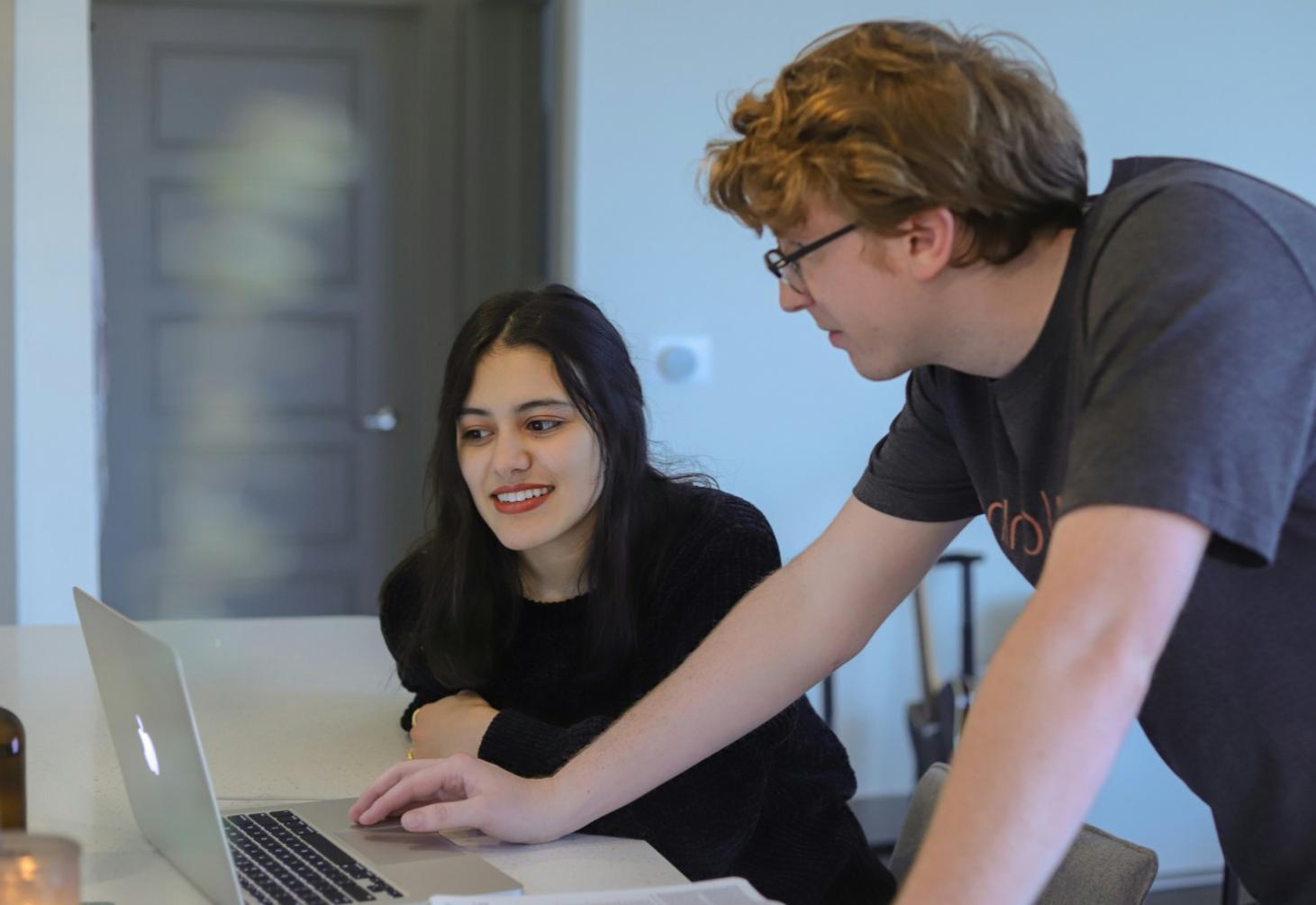
Making Numbers Tell Stories
Your forecast is only useful if others understand it. And trust it. We spend significant time on how to present uncertainty without looking uncertain, how to explain confidence intervals to people who hate statistics, and how to build credibility when your forecast contradicts the CEO's expectations.
These communication skills often matter more than technical accuracy. A slightly less precise forecast that stakeholders understand and act on beats a perfect model that sits ignored in someone's inbox.
Our Core Principles
These aren't just teaching points — they're how we actually approach forecasting work. Every module circles back to these foundations.
Uncertainty Is Data
Don't hide what you don't know. Quantify it, communicate it, and help decision-makers understand the range of possible outcomes. Confidence that acknowledges limits is more valuable than false precision.
Context Beats Complexity
A simple model that accounts for industry context will outperform a sophisticated algorithm that ignores how your business actually works. Technical skill without business judgment creates expensive mistakes.
Test Everything
Your model should fail gracefully when assumptions break. We teach systematic testing approaches that reveal weaknesses before they matter — because every forecast will eventually face conditions it wasn't built for.
Update, Don't Rebuild
New information should refine your forecast, not trigger a complete restart. Learn how to build models that incorporate fresh data without throwing out valuable historical patterns or institutional knowledge.
Track Your Accuracy
Forecast without feedback is guesswork. We establish systematic review processes so you can identify where your predictions consistently miss and why — then adjust your approach based on actual performance.
Know Your Biases
Everyone brings assumptions to forecasting work. The dangerous ones are the assumptions you don't realize you're making. We help participants identify their cognitive patterns and build checks against systematic errors.
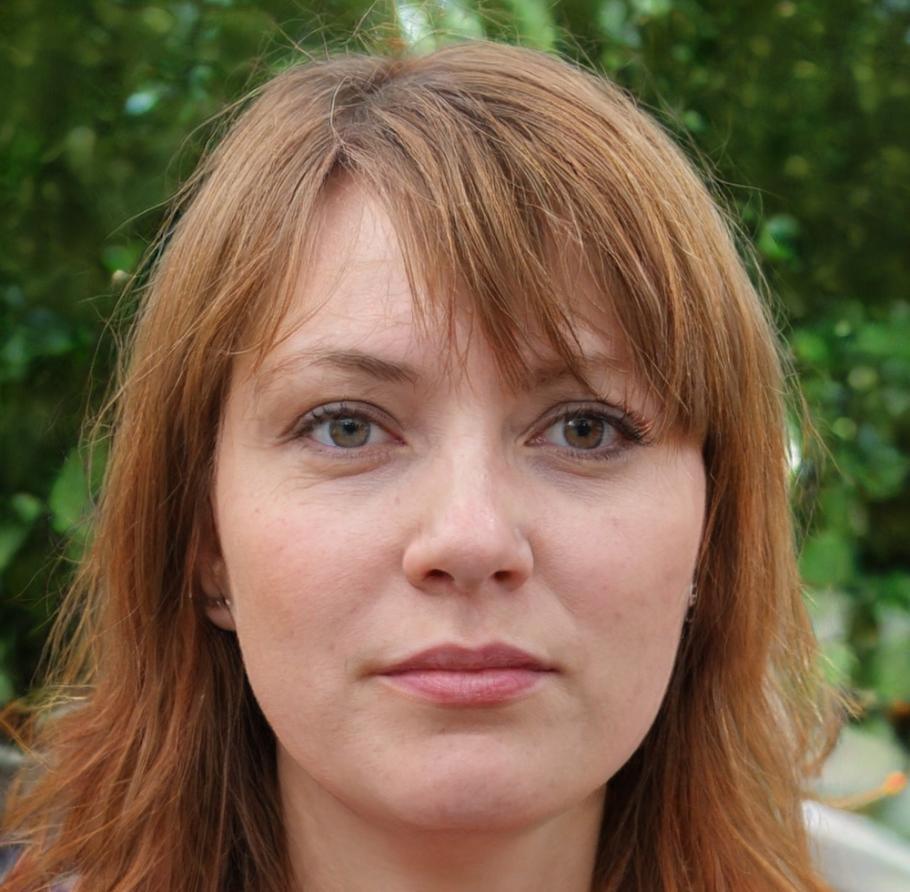
Freja Lindqvist
Financial Planning Manager
The program changed how I think about forecasting work. Before, I'd build models and hope they were right. Now I understand which assumptions matter most, where my blind spots are, and how to communicate uncertainty without undermining confidence. My forecasts aren't necessarily more accurate in absolute terms, but they're more useful — and that's what actually matters to the business.
Program Structure
Six months of focused work, starting August 2025. Each phase builds on what came before while introducing new complexity. You'll finish with a complete forecasting framework built around your actual business context.
Foundation Building
We start with the basics that most people skip: understanding your data sources, identifying reliability issues, and establishing baseline patterns. Not exciting, but absolutely critical. You can't forecast well with data you don't understand.
Model Development
Now we build. You'll learn multiple forecasting approaches and when each makes sense. More importantly, you'll understand how to combine methods — using simple models for stable patterns and complex approaches only where they add genuine value.
Scenario Planning
Single forecasts are dangerous. This phase teaches systematic scenario development: identifying key uncertainties, mapping possible futures, and quantifying the range of outcomes. You'll learn when scenarios matter most and how to avoid scenario planning that produces useless results.
Integration and Testing
Your forecast needs to work with existing business processes, not replace them. We focus on integration: connecting forecasts to planning cycles, building feedback loops, and creating update mechanisms that don't require starting from scratch every quarter.
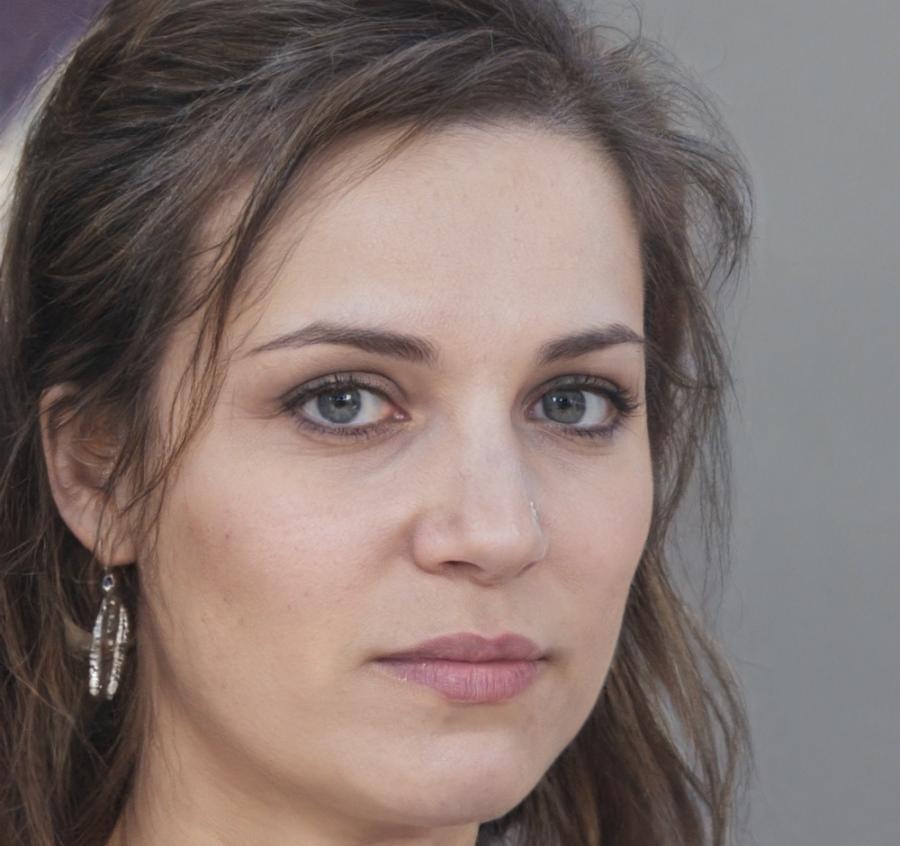
Siobhan Kavanagh
Strategic Forecasting Specialist
I spent twelve years building forecasting systems for Australian retail and manufacturing companies before starting to teach. Most of that time was spent learning what doesn't work — which turns out to be more valuable than the stuff that does.
The breakthrough moment came when I stopped trying to predict the future and started helping stakeholders think clearly about uncertainty. That shift in perspective changed everything. Now I help others make the same transition, usually faster than the twelve years it took me.
"Good forecasting is mostly about asking better questions. The technical tools matter, but they're secondary to clear thinking about what drives your business and where your assumptions might break."
Ready to Build Better Forecasts?
Our August 2025 program opens for enrollment in May. Spaces are limited because we keep cohorts small enough for meaningful interaction. If you're serious about improving your forecasting capability, let's talk about whether this program fits your needs.
Get in Touch